Image Compressor Online Free: Compress Images Without Losing Quality
Images are an essential part of every website, blog, online store, and social media platform. They help attract visitors, improve engagement, and make content more appealing. However, high-quality images often come with large file sizes. Large images can slow down your website, consume more storage space, and make uploading or sharing files difficult.
This is where an Image Compressor Online Free tool becomes incredibly useful. Instead of downloading complicated software or paying for expensive editing applications, you can reduce image file sizes directly from your browser within a few clicks.
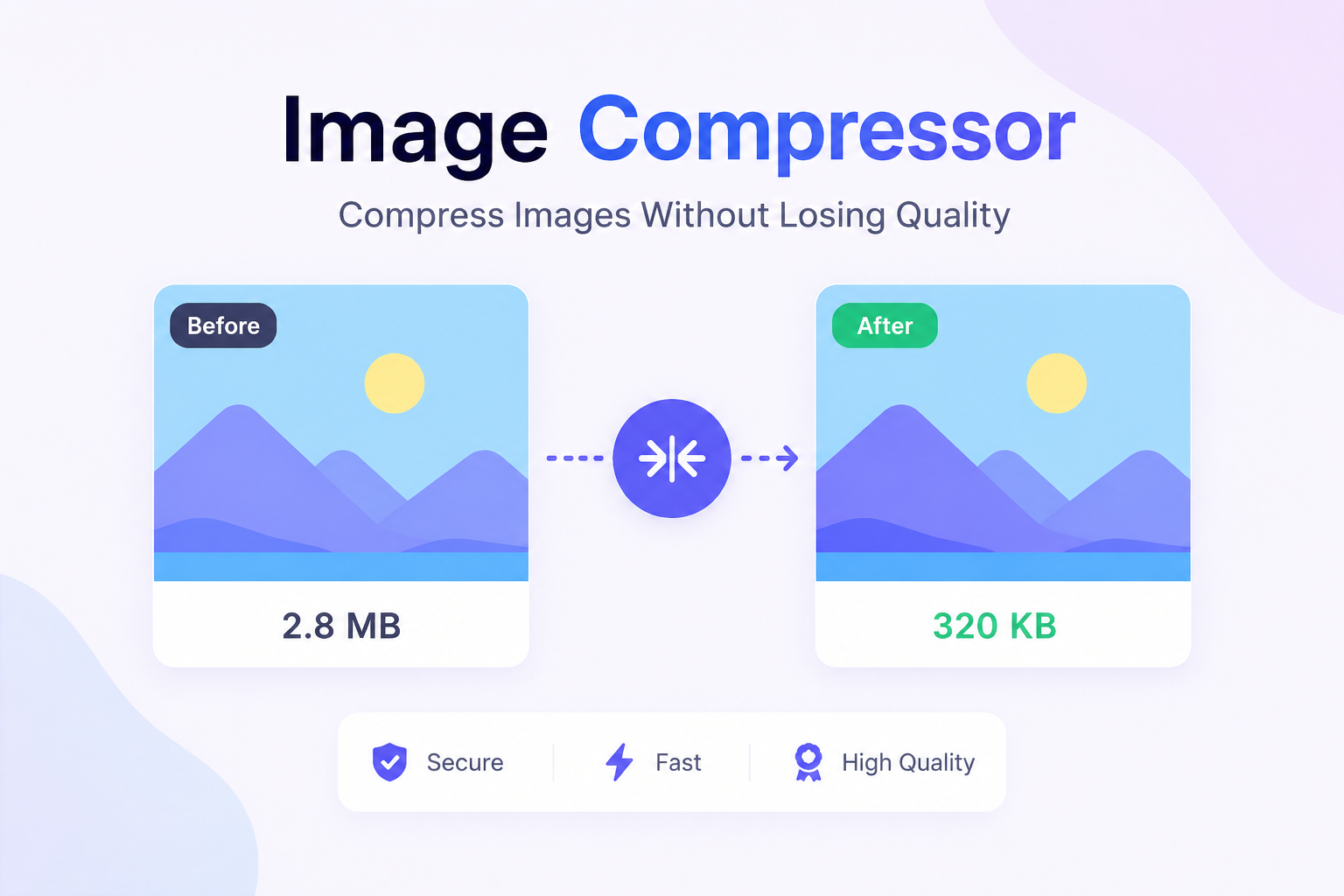
An online image compressor allows users to upload an image, optimize it, and download a smaller version while maintaining excellent visual quality. Whether you’re a blogger, photographer, student, web developer, business owner, or social media creator, an image compressor helps save time and improve productivity.
If you regularly upload images to websites, submit online forms, share files through email, or prepare photos for social media, using a free online image compressor can make your workflow much faster and more efficient.
In this guide, you’ll learn everything about online image compression, how it works, its benefits, and how to use an image compressor effectively.
What Is an Image Compressor?
An Image Compressor is an online tool that reduces the file size of an image while preserving its visual quality as much as possible.
Instead of changing the appearance of the photo dramatically, image compression removes unnecessary data, optimizes image encoding, and reduces storage requirements.
The result is a smaller file that loads faster, uploads quickly, and occupies less storage space.
Online image compressors support popular image formats such as:
JPG
JPEG
PNG
WEBP
GIF (depending on the tool)
Many users search for:
Image Compressor Online Free
Compress JPG Online
Compress PNG Online
Reduce Image Size Online
Free Photo Compressor
Online Image Optimizer
Compress Image Without Losing Quality
All these terms refer to tools that make images smaller while keeping them visually appealing.
Why Do Large Images Cause Problems?
Many people upload photos directly from smartphones or DSLR cameras. These images often range from 5 MB to 30 MB or even larger.
Although the quality is excellent, these large files create several issues.
Slow Website Loading
Website speed is one of Google’s ranking factors.
Large images increase page loading time, leading to:
Higher bounce rates
Poor user experience
Lower search engine rankings
Reduced conversions
Compressing images helps websites load significantly faster.
Difficult Email Attachments
Most email providers limit attachment sizes.
Compressed images make it easier to:
Send documents
Share photos
Attach project files
Submit applications
Storage Space
High-resolution photos consume valuable storage.
Whether you’re using:
Laptop
Desktop
Smartphone
Cloud Storage
Compressed images help save storage without sacrificing image quality.
Faster Upload Speed
Uploading large images can take several minutes on slower internet connections.
Compressed images upload much faster to:
Websites
Blogs
Social media
Cloud storage
Online forms
How Does an Online Image Compressor Work?
Although the process appears simple, image compression uses advanced optimization techniques behind the scenes.
Generally, the process includes:
Step 1: Upload Image
Choose an image from your device.
Most tools support drag-and-drop functionality.
Step 2: Image Analysis
The compressor analyzes:
Image dimensions
Resolution
Color information
Compression opportunities
Step 3: Optimization
The tool removes unnecessary image data while maintaining visual clarity.
Modern compressors are smart enough to preserve image details that matter most.
Step 4: Compression
The image file size is reduced.
Depending on the original image, file size may decrease by:
20%
40%
60%
80%
Even more
Step 5: Download
Download the optimized image.
The new file is smaller, loads faster, and is easier to share.
Benefits of Using an Image Compressor Online Free
There are many reasons why millions of users rely on free online image compression tools every day.
1. Completely Free
Many online tools allow users to compress images without purchasing software.
You can optimize images anytime without installation.
2. No Software Installation
Everything works directly inside your browser.
There is no need to install heavy editing programs.
This saves both storage and time.
3. Works on Every Device
Most online image compressors work smoothly on:
Windows
macOS
Linux
Android
iPhone
Tablets
As long as you have internet access and a browser, you can compress images anywhere.
4. Fast Processing
Instead of waiting several minutes, modern online compressors usually finish processing within seconds.
This is especially useful when handling multiple images.
5. Maintains Image Quality
One of the biggest advantages is maintaining visual quality while reducing file size.
Good compression balances quality and size effectively.
6. Improves Website SEO
Website performance plays an important role in search engine optimization.
Compressed images help:
Improve page speed
Enhance user experience
Reduce loading time
Increase mobile performance
Faster websites often perform better in search results.
7. Better Mobile Experience
Mobile users expect websites to load quickly.
Large images consume more mobile data and slow browsing.
Compressed images improve the browsing experience across all devices.
8. Saves Bandwidth
Every website uses bandwidth.
Smaller images reduce bandwidth usage, which can lower hosting costs and improve server performance.
Who Should Use an Online Image Compressor?
Image compression isn’t only for photographers.
Many professionals benefit from it daily.
Bloggers
Bloggers upload images with every article.
Compressed images help:
Improve SEO
Increase page speed
Enhance reader experience
Website Owners
Faster websites generally attract more visitors.
Compressed images help improve:
Performance
User satisfaction
Search visibility
Students
Students often submit assignments with image attachments.
Compressed images meet upload limits while keeping documents clear.
Digital Marketers
Marketing campaigns rely heavily on visuals.
Optimized images improve:
Landing pages
Email campaigns
Advertisements
Social media posts
Graphic Designers
Designers frequently share preview files with clients.
Compressed images speed up collaboration while maintaining professional presentation.
Online Store Owners
E-commerce websites contain hundreds or thousands of product images.
Image compression helps:
Faster product pages
Better shopping experience
Improved mobile performance
Higher conversion potential
Social Media Creators
Creators upload images daily to platforms like Instagram, Facebook, LinkedIn, Pinterest, and X.
Compressed images upload faster while maintaining high quality.
Common Image Formats Supported
Different image formats serve different purposes.
JPG / JPEG
The most popular format for photographs.
Ideal for:
Travel photos
Portraits
Product images
Blog graphics
PNG
PNG supports transparency and sharp graphics.
Best for:
Logos
Icons
Website graphics
Screenshots
WEBP
WEBP offers excellent compression while maintaining high quality.
Many modern websites use WEBP for improved performance.
GIF
GIF files are commonly used for simple animations.
Some online compressors also optimize GIF file sizes.
Tips for Getting the Best Compression Results
To achieve the best balance between image quality and file size, follow these practical tips:
Start with a high-quality original image.
Choose the correct image format for your purpose.
Avoid compressing the same image repeatedly, as this can reduce quality over time.
Resize images to the dimensions you actually need before compressing them.
Preview the compressed image whenever possible to ensure it still looks sharp.
Organize optimized images in separate folders so you can easily distinguish them from the originals.
By following these simple practices, you can significantly reduce file sizes while keeping your images professional and visually appealing.
Compress Images to 50KB Instantly Without Losing Quality
Reduce your image size to exactly 50KB in just a few clicks. The ImgPixStore Image Compressor uses smart optimization to maintain excellent image quality while making your files smaller for online forms, exams, government portals, websites, emails, and social media uploads. No software installation or registration is required.
How Image Compression Improves Website SEO
If you own a website, image optimization should be one of your top priorities. Search engines like Google consider page speed as an important ranking factor. While many website owners focus on writing quality content and building backlinks, they often overlook large image files that slow down their pages.
Every image on your website adds to the total page size. If multiple high-resolution images are uploaded without optimization, visitors have to wait longer for the page to load. Slow-loading websites often experience higher bounce rates because users leave before the content finishes loading.
Using an Image Compressor Online Free tool helps reduce image file sizes without noticeably affecting visual quality. Smaller images load faster, improving both user experience and website performance.
Some of the SEO benefits of image compression include:
Faster page loading speed
Better Core Web Vitals performance
Improved mobile browsing experience
Lower bounce rates
Better search engine rankings
Reduced server bandwidth usage
Improved user engagement
Faster indexing by search engines
For bloggers and businesses competing in search results, image optimization is one of the easiest ways to improve website performance.
Image Compression for Different Types of Users
Different users have different image optimization needs. A free online image compressor makes the process simple for everyone.
Bloggers
Bloggers publish articles that often include featured images, screenshots, infographics, and photographs. Compressing these images before uploading them helps pages load quickly and provides readers with a smoother browsing experience.
E-commerce Store Owners
Online stores may display hundreds or even thousands of product images. Large product photos can slow down category pages and product pages, affecting customer satisfaction.
Optimized product images improve:
Shopping experience
Product page speed
Mobile browsing
Search visibility
Conversion rates
Students
Students frequently upload scanned documents, project images, certificates, and assignments to educational portals. Many websites have strict upload size limits.
An online image compressor makes it easy to meet these limits without compromising readability.
Job Seekers
Many job application portals require applicants to upload:
Passport-size photos
Signature images
Certificates
Identity documents
Compressing these images ensures they meet upload requirements while remaining clear and professional.
Graphic Designers
Graphic designers often send preview files to clients for approval. Instead of transferring large files, they can compress preview images for faster sharing through email or messaging platforms.
Digital Marketing Professionals
Marketing campaigns rely heavily on visual content. Compressing promotional banners, blog graphics, and social media images improves website speed while reducing bandwidth consumption.
Social Media Creators
Content creators upload images every day across platforms like Instagram, Facebook, Pinterest, LinkedIn, and X. Smaller image files upload faster and reduce waiting time, especially on slower internet connections.
Best Practices for Compressing Images
Although image compression is straightforward, following a few best practices can produce even better results.
Keep the Original File
Always save the original image before compression. If you need to edit the image later, you’ll have access to the highest-quality version.
Choose the Correct Format
Different image formats serve different purposes.
JPG/JPEG is best for:
Photographs
Travel images
Product photography
PNG is ideal for:
Logos
Transparent graphics
Icons
Screenshots
WEBP is an excellent choice for modern websites because it offers impressive compression while maintaining high quality.
Resize Before Compressing
If your website only displays an image at 800 pixels wide, there’s no need to upload a 5000-pixel image.
Resizing the image before compression can reduce file size even further.
Avoid Compressing Multiple Times
Every compression process may slightly reduce quality. It’s better to compress the original image once instead of repeatedly compressing the same file.
Test the Final Image
Before publishing, preview the compressed image to ensure that text, colors, and important details remain sharp and clear.
Common Mistakes to Avoid
Many users unknowingly reduce image quality more than necessary. Avoid these common mistakes.
Compressing Already Compressed Images
Repeated compression can create visible artifacts and blur. Always use the original image whenever possible.
Uploading Extremely Large Images
Images taken directly from DSLR cameras or modern smartphones can exceed several megabytes. Resize them to appropriate dimensions before compression for better results.
Using the Wrong File Format
Choosing PNG for every image isn’t always the best option. Photos usually achieve smaller file sizes when saved as JPG, while graphics with transparency work better as PNG.
Ignoring Mobile Users
Many visitors browse websites using smartphones. Optimized images reduce loading times and improve the mobile browsing experience.
Forgetting Image Optimization During Website Updates
Whenever new content is published, make image optimization part of your workflow. Consistent optimization helps maintain a fast and responsive website.
Why Choose an Online Image Compressor Instead of Desktop Software?
While professional editing software offers advanced features, online image compressors are a practical solution for most users.
Benefits include:
No installation required
Works directly in your browser
Accessible on Windows, macOS, Linux, Android, and iPhone
Saves storage space
Quick processing
Easy-to-use interface
Ideal for beginners and professionals alike
For everyday image optimization, online tools provide speed, convenience, and excellent results.
Frequently Asked Questions (FAQs)
Find answers to common questions about compressing images online, reducing file size, preserving image quality, supported formats, SEO benefits, and using an online image compressor for free.
1. What is an Image Compressor Online Free?
An online image compressor is a web-based tool that reduces image file sizes while maintaining excellent visual quality. It helps make images faster to upload, easier to share, and more efficient for websites, emails, and cloud storage.
2. Will image compression reduce quality?
High-quality image compressors are designed to preserve visual quality while significantly reducing file size. In most cases, the difference is minimal and barely noticeable to the human eye.
3. Which image formats can be compressed?
Most online image compressors support popular image formats, including JPG, JPEG, PNG, WEBP, GIF, and sometimes SVG or AVIF, depending on the tool.
4. Can I compress images on my phone?
Yes. Since online image compressors work directly in your browser, you can compress images on Android phones, iPhones, tablets, laptops, Chromebooks, and desktop computers without installing any app.
5. Is online image compression free?
Yes. Many online image compression tools allow you to reduce image file sizes for free without creating an account or downloading additional software.
6. Why should I compress website images?
Compressed images improve page loading speed, reduce bandwidth usage, enhance user experience, increase Core Web Vitals scores, and contribute to better SEO performance in search engines.
7. Can I compress multiple images?
Yes. Many online image compressors support batch image compression, allowing you to optimize several images simultaneously and save valuable time.
8. Does image compression affect SEO?
Yes. Optimized images load faster, improve website performance, reduce bounce rates, enhance user experience, and can positively influence search engine rankings.
9. Is image compression safe?
Trusted online image compressors process your images securely. For sensitive images, always choose reputable websites and review their privacy policies before uploading files.
10. Who should use an online image compressor?
Image compression is useful for bloggers, photographers, graphic designers, students, developers, businesses, online store owners, marketers, content creators, social media managers, and anyone who wants smaller image files without sacrificing quality.
Final Thoughts
Images make websites, blogs, presentations, and social media posts more attractive, but large files can negatively affect performance. Whether you’re building a website, managing an online store, submitting documents, or sharing photos, reducing image size is a simple step that offers significant benefits.
Using an Image Compressor Online Free tool allows you to compress images quickly without installing software or sacrificing visual quality. Smaller files upload faster, load more efficiently, and help improve both user experience and website performance.
By making image compression a regular part of your workflow, you’ll save storage space, reduce bandwidth usage, speed up your website, and provide visitors with a smoother browsing experience across all devices.
If you’re looking for a fast, reliable, and easy way to optimize your images, an online image compressor is an excellent solution. Whether you need to compress JPG online, compress PNG online, reduce image size online, compress image without losing quality, or simply use a free photo compressor, the right tool can help you achieve professional results in just a few clicks.
Optimizing images is no longer optional. It’s an essential part of creating faster websites, improving SEO, and delivering a better experience for every visitor.